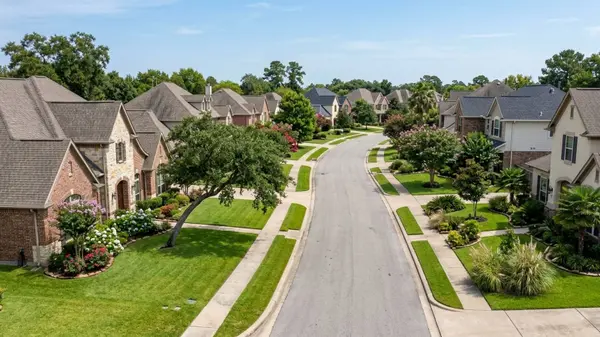
What to Expect From Weather Patterns in Friendswood, TX
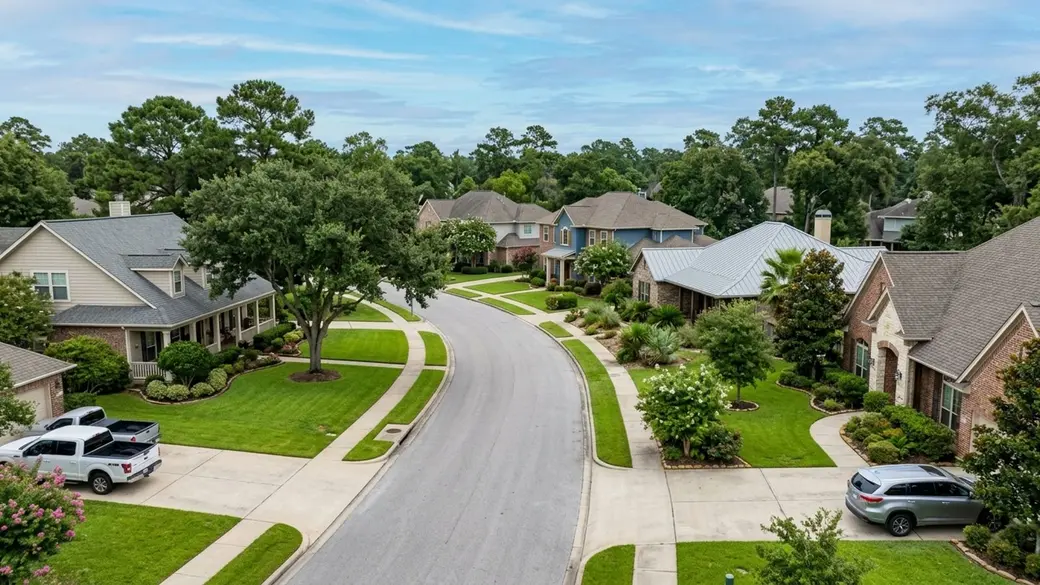
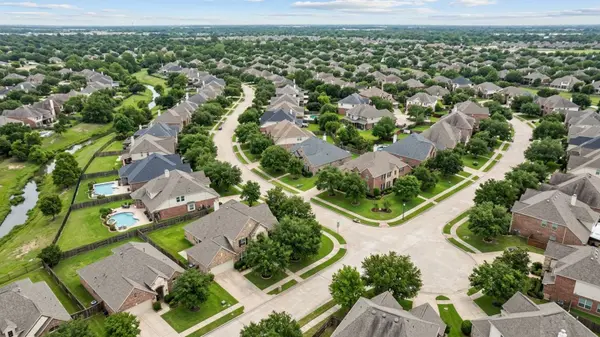
Friendswood sits in the Greater Houston metropolitan area, straddling Galveston and Harris counties at an elevation of just 30 feet above sea level. That's not much buffer between your living room and whatever the Gulf decides to throw at it. The coastal weather is a major factor when weighing the pros and cons of living in Friendswood.
The climate here shapes daily life in ways that go well beyond what to wear in the morning - utility bills, how homes are built, what maintenance looks like year to year. If you're shopping a market where the median sale price hovers around $345,000, weather isn't a footnote. It belongs in your budget conversation from day one. Understanding the year-round temperatures, rainfall, and storm risks helps you choose the right property and go in with your eyes open.
Friendswood Climate at a Glance
Friendswood runs on a humid subtropical climate with no distinct dry season. It falls into USDA Plant Hardiness Zone 9b, which means freezing temperatures are rare and when they do show up, they don't usually stay long.
The Gulf of Mexico is the real driver here. All that coastal moisture keeps the air heavy for most of the year, and the flat coastal plain gives incoming weather systems almost nothing to slow them down.
Local Climate Zone
Under the Köppen classification system, the city is designated Cfa - long, hot summers and short, mild winters. Precipitation is fairly consistent month to month; there's no dry season to speak of. You won't find anything close to the arid conditions of West Texas or the sharp seasonal swings of the Midwest.
Year-Round Seasons in Friendswood
Temperatures typically range from 45°F to 92°F over the course of the year, rarely dropping below 36°F or pushing past 96°F. Compared to inland cities, the extremes are somewhat capped - but don't mistake that for comfortable.
The seasons here are defined more by humidity and rain than by dramatic temperature swings. Locals tend to think in terms of a long summer, a short winter, and two brief transitions in between.
Summers on the Gulf Coast
Summer runs the show from May through September. The heat and coastal moisture combine in a way that makes the air feel genuinely oppressive for extended stretches - heavy and relentless.
Air conditioning runs constantly during these months. A failing HVAC unit in a Friendswood summer isn't an inconvenience; it's an expensive emergency. Inspect those systems carefully before you close.
Mild Texas Winters
January is the coldest month, and by most standards it's forgiving. Average highs sit around 60.4°F, with lows dipping to about 48.6°F. Hard freezes happen occasionally but rarely stick around more than a day or two.
You won't need heavy winter gear. That said, wrapping exposed outdoor pipes during cold snaps is worth the ten minutes it takes.
Spring and Fall Transitions
These are the months people move here for. October brings the lowest average relative humidity of the year, sitting at roughly 71%, and the overall conditions in spring and fall are as close to comfortable as Friendswood gets.
It's also when most home maintenance gets done, and not by coincidence - it's when real estate activity peaks too. Buyers would rather tour homes when they're not melting.
Monthly Temperature Averages
August is the peak. Average highs run from 90.5°F to 93°F, and the nights don't offer much rescue - lows only fall to between 76°F and 79.7°F. Cooling costs hit their ceiling in late summer, and they stay there.
Energy-efficient windows and proper attic insulation aren't just selling points in this market. They translate directly into lower monthly utility bills, which matters when you're running the AC around the clock for five months straight.
The Hottest and Coldest Months
The gap between a January low of 48.6°F and an August high of 93°F is relatively narrow for a North American climate. If you're coming from somewhere with real winters, that stability is one of the genuine draws. Even in the coldest stretch of the year, daytime temperatures regularly hit the 60s, and you can spend time outside comfortably almost any month - as long as you respect the summer afternoons.
Rain, Snow, and Humidity Levels
Friendswood gets approximately 55 to 57 inches of rain annually - well above the national average of 38 inches. Drainage isn't a nice-to-have on a property here; it's a serious structural consideration.
September is typically the wettest month, which lines up with the peak of the Atlantic hurricane season. The gutters, downspouts, and street drainage around any property you're considering are going to get tested regularly.
Annual Rainfall and Snowfall
Snowfall is negligible - less than one inch per year on average. You can leave the snow shovels and the winter tires behind.
What you can't ignore is the rain. Ask about a property's flood history. Walk the lot and check the grading around the foundation - water should be moving away from the house, not toward it.
Managing the Humidity
Monthly humidity averages float between 71% and 80% year-round, with February often registering as the most humid month at that 80% mark. That level of sustained moisture has real consequences for how a home holds up.
Dehumidifiers, solid bathroom ventilation, and routine mold inspections aren't optional extras here. They're part of owning a home in this climate.
Severe Weather and Natural Hazards
Historical tornado activity in the Friendswood area runs slightly above the Texas state average and about 59% above the overall national average. That's not a number to wave off. The region has seen serious storms - an F4 tornado struck 15.8 miles away in 1992, and another F4 came down 28.5 miles away in 1961.
Tornado and Storm Risks
Gulf Coast storms bring high winds and localized flooding, often together. Storm shutters and reinforced garage doors are standard on a lot of homes here for a reason.
Windstorm insurance is a separate policy from standard homeowners insurance in this region, and lenders require it for financed properties. That premium is a real line item - factor it into what you can actually afford each month before you fall in love with a house.
Best Times to Move to Friendswood
Homes in Friendswood currently spend a median of 25 days on the market. With 161 active listings and 2.4 months of supply as of mid-2026, you have some room to negotiate - but well-priced homes don't wait around.
Beyond the market timing, the physical timing of your move matters too. Loading a truck in August here is genuinely brutal.
Planning Your Relocation
October through April is the window you want for moving. Lower humidity and cooler temperatures make the physical work of hauling boxes and furniture significantly more manageable.
If summer is the only option, get the heavy lifting done in the early morning hours before the heat builds. And book your movers early - they fill up fast during those months.
Frequently Asked Questions
How much does flood and windstorm insurance typically cost for a home in Friendswood, TX?
It depends on the property's specific location and elevation. Since Friendswood sits just 30 feet above sea level and gets 55 to 57 inches of rain annually, both policies are standard requirements for financed homes, adding a distinct line item to your monthly budget.
Which Friendswood neighborhoods have the highest flood risk during heavy Gulf Coast rain events?
Flood risk varies block by block rather than by broad neighborhood boundaries. Buyers should check the current FEMA flood maps for any specific address, as the area's flat coastal plain and heavy September rainfall can cause localized street flooding.
What weatherproofing features should buyers look for when touring homes in Friendswood?
Look for storm shutters, reinforced garage doors, and solid drainage grading around the foundation. Given the humid subtropical climate and 55 to 57 inches of annual rainfall, proper gutters and a well-maintained HVAC system belong at the top of your inspection checklist.
How does the Texas hurricane season impact the timeline for closing on a house in Friendswood?
A named storm entering the Gulf of Mexico can delay your closing. Insurance companies typically issue a moratorium on binding new windstorm or flood policies when a storm approaches, which forces lenders to pause the transaction until the threat passes.
What happens if a Friendswood property sustains storm or flood damage while under contract?
The standard Texas real estate contract outlines specific steps if the property is damaged before closing. Usually, the seller must restore the home to its previous condition, or the buyer can terminate the contract and recover their earnest money.
Is Friendswood more susceptible to severe weather and flooding than other South Houston suburbs?
Friendswood shares a similar risk profile with neighboring Harris and Galveston county suburbs. Its historical tornado activity runs about 59% above the national average, and its 30-foot elevation calls for the same flood precautions as surrounding Gulf Coast communities.
Recent Posts