Real Estate and Living in Friendswood, TX vs Houston: A 2026 Comparison
If you're weighing a home in Houston proper against living in Friendswood, TX, you're really weighing three things: how far you want to drive every morning, how much you want to pay in property taxes, and how much house you get for the money. Houston gives you a massive, varied market spread across dozens of distinct neighborhoods. Friendswood gives you a smaller, more centralized community that straddles parts of Harris and Galveston Counties.
The financial and logistical realities of each market are genuinely different in 2026. To make a fair comparison, you have to look at current median sale prices, effective tax rates, and what the daily run up Interstate 45 actually costs you in time.
Comparing the Real Estate Markets
Friendswood's median home sale price is currently around $345,000, with homes spending roughly 25 days on the market before going under contract. Active inventory sits at about 161 homes, and sellers are doing well - the average sale-to-list price ratio is running around 97.8%.
Houston is a different animal. Its market spans a much larger geographic area with a far wider range of price points. The Houston Association of Realtors reported a 12-month average median sales price of approximately $331,692 for the city as of May 2026. Zillow's Home Value Index puts Houston's typical home value a bit lower, around $264,789 - that figure pulls down because it includes lower-cost urban neighborhoods across the city.
The pace feels different too. In Friendswood, well-priced homes move quickly and the market is fairly predictable. Houston's velocity depends entirely on the zip code. Some central neighborhoods are competitive; others sit longer.
Home Prices and Market Trends
Houston's broad median looks slightly lower than Friendswood's on paper, but neighborhood-level data tells a more nuanced story. Some pockets of Friendswood - The Forest of Friendswood, for instance - saw median prices near $725,000 earlier this year.
Direction of travel matters here as well. Recent HAR data shows Houston's year-over-year median prices dropped about 1.2%, while Friendswood's overall typical home values have shown modest appreciation over the same period.
Property Types and Lot Sizes
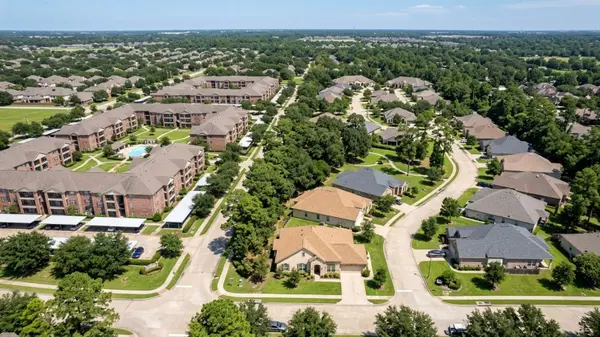
Houston's inventory runs the full spectrum: high-rise condominiums downtown, traditional single-family homes, dense townhome developments. That variety means you can calibrate how much maintenance and outdoor space you actually want.
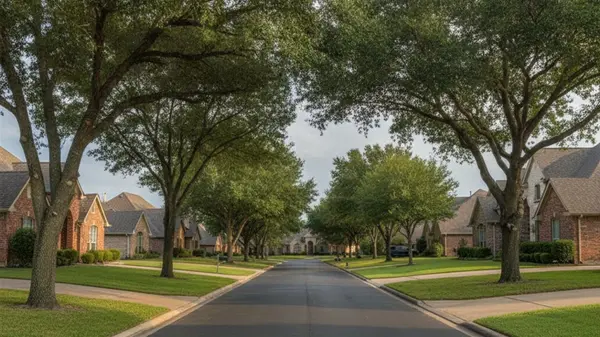
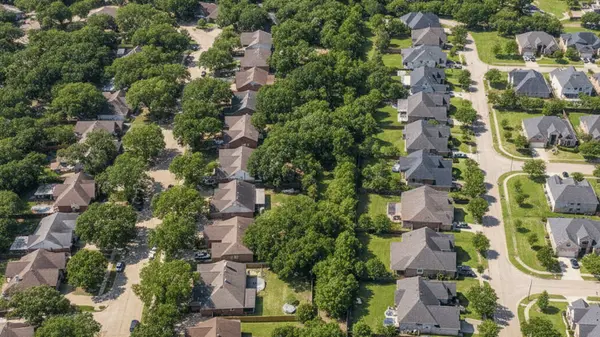
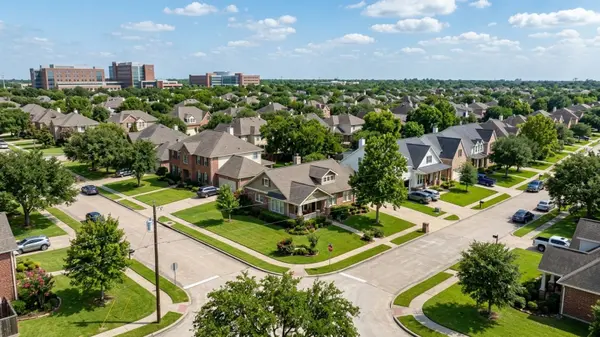
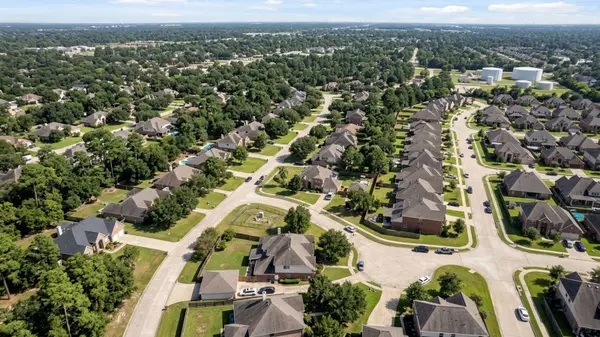
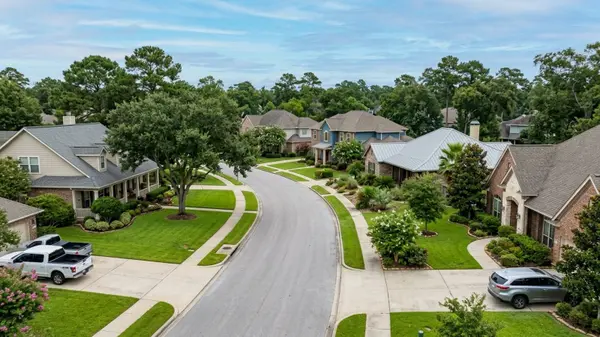
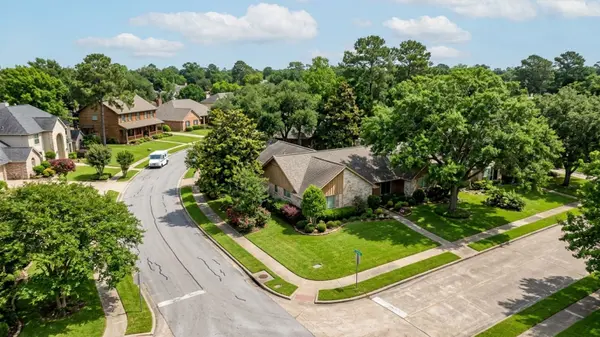
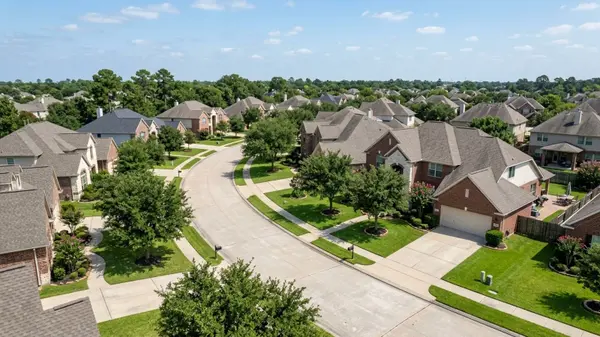
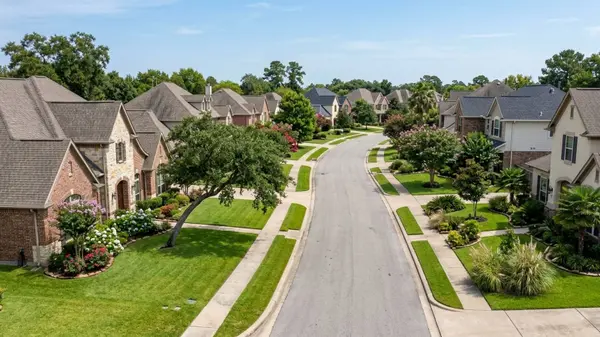
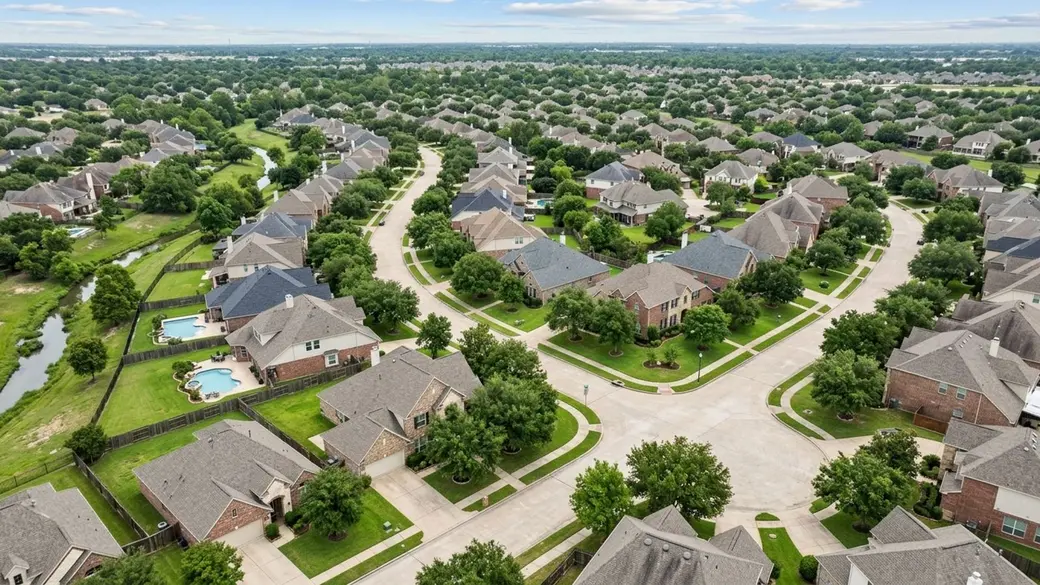
Friendswood skews heavily toward single-family homes on larger suburban lots. If an expansive yard and a detached property are essential, Friendswood delivers that more reliably - though you're giving up the immediate proximity to Houston's denser urban housing stock.
Cost of Living and Property Taxes
Here's where the comparison gets granular. The City of Friendswood's official municipal tax rate for the 2025-2026 fiscal year is $0.514172 per $100 of property valuation. Houston's base municipal tax rate for 2025 is $0.51919 per $100 of assessed value. Those city rates are close enough that the municipal line alone won't drive your decision.
What does drive it is everything layered on top. School district taxes, county taxes, and any overlapping taxing entities all pile onto that base rate, and your actual annual bill depends on where specifically your property sits.
That's not a minor detail in Friendswood's case. Because the city spans two counties, your total rate shifts depending on whether your address falls in Harris County or Galveston County.
Understanding Local Tax Rates
In Friendswood, stacking the city rate with school district and county taxes puts the effective total property tax rate between 1.48% and 1.60%, depending on which county side of town you're on.
Houston's effective total rates show far wider variance. Factor in whether Municipal Utility District (MUD) taxes apply to a given property, and you're looking at a range that commonly runs from about 1.44% to over 2.4% of market value. That upper end is real and worth checking before you fall in love with a house.
Everyday Expenses
Property taxes are the big-ticket variable, but they're not the only one. Houston residents face different utility structures, insurance premiums, and HOA fees depending on the specific building or subdivision. Those numbers aren't uniform across the city.
Friendswood residents typically budget for standard suburban utility services plus the commute-related fuel costs that come with living 22-plus miles from Houston's employment centers. Run those daily figures alongside your mortgage payment - they add up faster than most buyers expect.
Commuting and Highway Access
The direct drive from Friendswood to Houston via Interstate 45 - the Gulf Freeway - covers approximately 22 to 23 miles. That interstate is the primary north-south artery connecting the two cities, and if you're commuting into Houston, it's almost certainly your route.
Secondary options exist. The Sam Houston Tollway (Beltway 8) and State Highway 35 serve as major arterials, and local connectors like FM 528 and Clear Lake City Boulevard help you reach the broader Houston highway network when you need to route around congestion.
Driving and Highway Access
Without traffic, the I-45 run takes about 28 to 36 minutes. If you commute daily, you already know that an empty highway is a fantasy during peak hours.
Factor in rush hour and a specific destination - downtown Houston, the Texas Medical Center, the Energy Corridor - and local data puts a realistic commute at 30 to 45 minutes for Friendswood residents. That's not terrible, but it's a daily reality you should test before you commit. Drive the route during your actual commuting hours from the specific neighborhoods you're considering.
Public Transit Options
Houston has METRORail and bus routes within the city limits. Commuting from Friendswood, though, means a personal vehicle. There's no practical transit alternative for that 22-mile stretch.
Lifestyle and Local Amenities
Houston puts professional sports venues, a major museum district, and an enormous dining scene within a short drive or transit ride from most city addresses. That's a real advantage if you use those things regularly. Friendswood is quieter - local dining, community recreation, a suburban pace. For big concerts or events, Friendswood residents drive into Houston.
The honest trade-off here isn't about which place is better. It's about how often you actually use those downtown amenities and whether daily access to them is worth the density and price points that come with city living.
Parks and Recreation
Houston maintains extensive green spaces - large urban parks and biking trails woven through the city that give residents outdoor options amid the density.
Friendswood takes a suburban approach to the same idea: local parks and recreational facilities spread through the community, plus the private yard space that most city lots simply don't offer.
Dining and Entertainment
Houston's dining scene is globally recognized. Food trucks, high-end restaurants, every conceivable cuisine across countless neighborhoods - city residents have it at their doorstep.
Friendswood has its own selection of local restaurants and retail. For specialized dining or major entertainment, residents hop on I-45 and head north. It's straightforward, just not spontaneous.
Frequently Asked Questions
Are home prices per square foot generally more affordable in Friendswood, TX compared to the Houston city limits?
It depends on the specific neighborhood. Houston's overall average median sale price sits around $331,692 compared to Friendswood's $345,000, but Houston includes many lower-cost areas that pull its average down. Certain pockets of Friendswood - The Forest of Friendswood being one - have median prices exceeding $725,000.
What is the realistic commute time from Friendswood to major Houston employment hubs like the Medical Center or Downtown?
Plan on 30 to 45 minutes. The 22-mile drive up Interstate 45 can take as little as 28 minutes without traffic, but rush hour congestion adds significant time to that trip.
How do property tax rates in Friendswood compare to neighborhoods inside Houston?
Friendswood's effective total property tax rate generally runs between 1.48% and 1.60%. Houston's effective rates vary much more widely - typically between 1.44% and 2.4% depending on the specific neighborhood and whether Municipal Utility District (MUD) taxes apply.
Do residents of Friendswood, TX pay Houston city taxes or rely on Houston municipal services?
No. Friendswood is its own municipality spanning parts of Harris and Galveston counties. Residents pay the City of Friendswood's municipal tax rate - set at $0.514172 per $100 of valuation for the 2025-2026 fiscal year - and rely on Friendswood's own local municipal services.
Is real estate in Friendswood more or less prone to flooding compared to central Houston?
Both cities sit in the Gulf Coast region, so buyers should pull the FEMA flood maps for any specific property they're seriously considering. Flooding risk comes down to that individual home's elevation and proximity to local bayous or drainage channels - not just the city name on the address.
What are the biggest lifestyle trade-offs when moving from Houston to a suburban area like Friendswood?
You're trading immediate proximity to Houston's dense urban dining, major museums, and professional sports venues for larger residential lots and a quieter daily environment. You're also trading a short city commute for a 30- to 45-minute drive up Interstate 45 every day.
Recent Posts